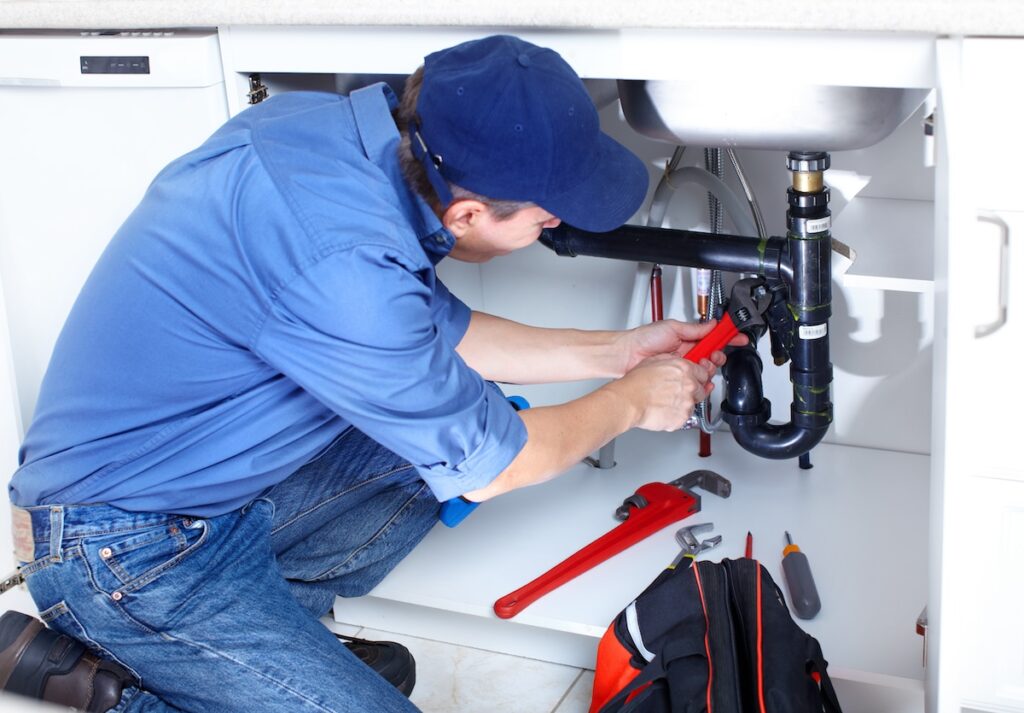
Mature plumber fixing a sink at kitchen
Living in Surrey, BC, with its mix of older homes and modern residences, it’s no surprise that homeowners frequently encounter plumbing issues. While the charm of older homes is undeniable, they often come with their share of challenges, including outdated plumbing systems. Even newer homes aren’t immune to problems due to the region’s unique climate and water conditions. For those looking for professional plumbing in Surrey, BC, understanding the most common issues can help you identify problems early and prevent them from escalating into costly repairs.
1. Leaky Faucets
Description of the Problem
Leaky faucets are a nuisance that many homeowners in Surrey and Vancouver experience. Though it might seem like a minor issue, a dripping faucet can waste a significant amount of water over time, leading to higher utility bills and unnecessary water wastage—a concern especially in our environmentally conscious community.
Causes
Leaky faucets are typically caused by worn-out washers, O-rings, or corrosion in the faucet valve. Over time, these components degrade, leading to the persistent drip that many of us have come to dread.
DIY Fixes
If you’re handy around the house, fixing a leaky faucet can be a straightforward task. Here’s a quick step-by-step guide:
- Turn off the water supply: Before starting any repair, ensure the water supply to the faucet is turned off.
- Disassemble the faucet: Carefully remove the handle to access the internal components.
- Inspect and replace parts: Check the washer, O-ring, and valve seat for signs of wear or corrosion. Replace any damaged parts.
- Reassemble the faucet: Once the components are replaced, reassemble the faucet and turn the water supply back on.
When to Call a Professional
If the leak persists after replacing the obvious components, it may indicate a more severe issue such as corrosion in the faucet valve or pipes. In such cases, it’s wise to contact a professional plumber in Surrey to avoid further damage.
ALSO READ: The Benefits of Having a Reliable 24-Hour Emergency Plumber in Richmond & Vancouver on Speed Dial
2. Clogged Drains
Description of the Problem
Clogged drains are another common plumbing problem that Surrey and Vancouver homeowners face. Whether it’s a slow-draining sink, a backed-up shower, or a completely blocked toilet, clogged drains can cause significant inconvenience and, if left untreated, can lead to more severe plumbing issues.
Causes
The most common causes of clogged drains include the buildup of debris such as food particles, hair, soap scum, grease, and foreign objects that shouldn’t have been flushed or washed down the drain.
DIY Fixes
Here are some practical solutions you can try before calling in a professional:
- Plunging: A plunger is often the first tool homeowners reach for. It can effectively dislodge blockages in sinks, showers, and toilets.
- Drain Snake: For tougher clogs, a drain snake can be used to break up and remove blockages.
- Vinegar and Baking Soda: Pouring a mixture of vinegar and baking soda down the drain can help dissolve minor clogs.
- Chemical Drain Cleaners: As a last resort, you might consider using a chemical drain cleaner. However, these should be used sparingly, as they can damage your pipes over time.
Preventative Measures
To prevent clogged drains, consider the following tips:
- Regular Cleaning: Clean your drains regularly to prevent buildup.
- Use Drain Guards: Install drain guards in sinks and showers to catch debris before it can cause a blockage.
- Proper Disposal: Avoid pouring grease or coffee grounds down the sink and be mindful of what you flush down the toilet.
3. Running Toilets
Description of the Problem
A running toilet is a common but often overlooked issue that can lead to substantial water waste. Many Surrey and Vancouver residents only become aware of the problem when they notice a spike in their water bills. Given our region’s focus on sustainability, fixing a running toilet is not just about saving money—it’s about conserving water.
Causes
A running toilet is often caused by a faulty flapper, a misaligned float, or issues with the fill valve. These components control the water flow in your toilet tank, and when they malfunction, water continuously leaks into the bowl.
DIY Fixes
Fixing a running toilet is usually a straightforward process:
- Check the Flapper: The flapper is a rubber seal that controls water flow from the tank to the bowl. If it’s worn out or doesn’t seal properly, replace it.
- Adjust the Float: The float controls the water level in the tank. If it’s set too high, water will continuously flow into the overflow tube. Adjust the float to lower the water level.
- Inspect the Fill Valve: If the fill valve is the issue, it may need to be cleaned or replaced.
When to Seek Professional Help
If you’ve tried these fixes and the toilet is still running, it may be time to call a professional plumber. Persistent issues could indicate a more complex problem that requires specialized tools and expertise.
4. Low Water Pressure
Description of the Problem
Low water pressure can be particularly frustrating, especially when it affects your daily activities like showering or washing dishes. This issue is not uncommon in older homes in Surrey and Vancouver, where aging infrastructure and sediment buildup can restrict water flow.
Causes
Low water pressure can be caused by several factors, including:
- Sediment Buildup: Over time, sediment can accumulate in pipes, aerators, and showerheads, restricting water flow.
- Municipal Water Supply Issues: Sometimes, the problem lies with the local water supply, especially if there’s maintenance work being done or a temporary drop in pressure.
- Pressure Regulator Problems: If your home is equipped with a pressure regulator, a malfunctioning device can result in low water pressure.
DIY Fixes
You can try the following solutions to improve water pressure in your home:
- Clean Aerators and Showerheads: Unscrew and clean aerators and showerheads to remove sediment buildup. Soak them in vinegar to dissolve mineral deposits.
- Check the Pressure Regulator: Locate the pressure regulator and adjust it to increase the water pressure. Be cautious not to set it too high, as this can damage your pipes.
- Inspect for Leaks: Sometimes, low water pressure is caused by leaks in the plumbing system. Check for any visible leaks and address them immediately.
When to Call a Professional
If these solutions don’t resolve the issue, it may be time to contact a professional plumber in Surrey. Persistent low water pressure could indicate a more significant problem, such as a leak in the main water line or the need for a pipe replacement.
5. Water Heater Issues
Description of the Problem
Water heaters are essential for providing hot water in our homes, but they can also be a source of frustration when they malfunction. Whether it’s inconsistent water temperature, strange noises, or a complete lack of hot water, water heater issues are a common complaint among Surrey and Vancouver homeowners.
Causes
Common causes of water heater problems include:
- Sediment Buildup: Over time, minerals in the water can settle at the bottom of the tank, reducing efficiency and causing noise.
- Faulty Thermostat: If the thermostat is malfunctioning, it can result in water that’s too hot, too cold, or inconsistent.
- Corrosion: In older water heaters, corrosion can lead to leaks and eventual tank failure.
DIY Fixes
Here’s what you can do to address some of these issues:
- Flush the Water Heater: Regularly flushing the tank can remove sediment buildup and improve efficiency. Be sure to follow the manufacturer’s instructions for this process.
- Adjust the Thermostat: Check the thermostat settings and adjust them to ensure the water is heated to the desired temperature.
- Inspect the Anode Rod: The anode rod helps prevent corrosion in the tank. If it’s worn out, replacing it can extend the life of your water heater.
When to Call a Professional
If you’re experiencing persistent issues or if your water heater is nearing the end of its lifespan (usually around 10-15 years), it’s best to consult with a professional plumber. They can assess whether it’s time for a replacement or if a more significant repair is needed.
Conclusion
Plumbing issues are an inevitable part of homeownership, especially in regions like Surrey and Vancouver, where the mix of older homes and varying water conditions can lead to unique challenges. By understanding the common problems and knowing how to address them, you can save time, money, and frustration. However, not all issues can be fixed with a DIY approach, and knowing when to call in a professional plumber in Surrey, BC, is key to keeping your home’s plumbing system in top shape. Regular maintenance and early intervention are your best defenses against plumbing problems, ensuring that your home remains comfortable and functional for years to come.



More Stories
Top 4 Ukrainian-Speaking Counsellors & Therapists in Canada
Top 7 Questions to Ask Home Renovation Contractors in Vancouver Before Hiring
Sustainable Living: A Guide to Green Initiatives in Vancouver