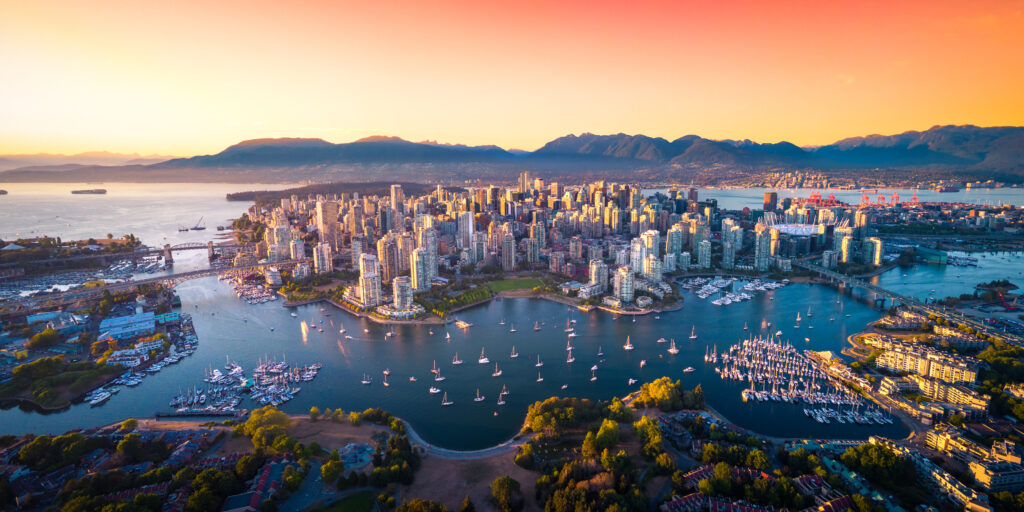
Beautiful aerial view of downtown Vancouver skyline, British Columbia, Canada at sunset
Vancouver is a city that prides itself on its natural beauty, with breathtaking mountains, lush parks, and an ocean that locals can’t get enough of. But beyond the scenic views, Vancouver is also a global leader in sustainability, aiming to become the greenest city in the world. From green building practices to eco-friendly businesses, the city has a wide range of initiatives that make sustainable living a reality for its residents. In this guide, we’ll explore the many ways Vancouver is pushing the envelope on sustainability, and how you can contribute to making our city an even greener place to live.
Vancouver’s Green Vision and Policy Framework
Greenest City Action Plan (GCAP)
In 2011, the City of Vancouver launched its Greenest City Action Plan (GCAP) with the goal of making Vancouver the greenest city in the world by 2020. While the city may not have hit every single goal by that date, significant strides have been made. The GCAP focuses on reducing carbon emissions, creating zero-waste solutions, and improving access to green spaces.
Some notable accomplishments include reducing community-wide greenhouse gas emissions by 15% from 2007 levels and diverting over 60% of solid waste from landfills. From electric buses to urban green spaces, Vancouver’s efforts toward sustainability touch nearly every part of daily life.
Climate Emergency Action Plan
Building on the GCAP, the city adopted the Climate Emergency Action Plan in 2020 to address the urgent need for climate action. This plan focuses on reducing carbon emissions by 50% by 2030 through key initiatives in transportation, green energy, and building retrofits. Vancouverites are already seeing these initiatives in action with more electric vehicle (EV) charging stations, expanded bike lanes, and better public transportation options.
Green Building Practices and Architecture in Vancouver
LEED and Passive House Standards
Vancouver has long been a champion of LEED (Leadership in Energy and Environmental Design) certifications, which assess buildings for their energy efficiency, water savings, and carbon footprint. Buildings like the Vancouver Convention Centre and Telus Garden are prime examples of LEED-certified structures that incorporate sustainable design and technology.
But beyond LEED, the city has also embraced Passive House standards, which prioritize ultra-low energy consumption. With high-performance windows, airtight construction, and superior insulation, these homes use up to 90% less energy than conventional buildings. New developments across Vancouver are increasingly adopting these standards, showcasing the city’s leadership in green building.
Vancouver’s Green Building Policies
Vancouver has set ambitious green building regulations. All new developments must meet high energy performance standards, and the city is pushing for zero-emission buildings. Developers are now incorporating more green roofs, solar panels, and rainwater harvesting systems to meet these guidelines.
One of the most exciting projects on the horizon is the Burrard Gateway development, which will include green roofs and energy-efficient technologies that will serve as a model for future green construction in the city.
Sustainable Housing Developments
The Olympic Village, built for the 2010 Winter Olympics, is one of Vancouver’s most prominent eco-friendly housing developments. Designed with sustainability in mind, this area includes energy-efficient buildings, community gardens, and close access to public transit. Another exciting project is The Heights, a zero-energy development that aims to be one of the most sustainable neighborhoods in the city.
Public Transportation and Green Mobility
Electric Vehicle (EV) Adoption and Infrastructure
Vancouver is a leader in electric vehicle (EV) adoption, with one of the highest rates of EV ownership in North America. The city has responded to this growing demand by installing hundreds of EV charging stations. If you’re thinking about switching to an electric vehicle, there are also rebates and incentives available from the province and federal government to help make it more affordable.
Cycling and Pedestrian-Friendly Infrastructure
Vancouver’s network of bike lanes has expanded rapidly in recent years, making cycling a safe and viable transportation option for residents. Mobi by Shaw Go, Vancouver’s bike-sharing program, allows residents and visitors to rent bikes at various docking stations throughout the city. In addition to bike lanes, Vancouver has been redesigning streets to be more pedestrian-friendly, creating shared streets where cars, bikes, and pedestrians can coexist peacefully.
Public Transit (TransLink’s Green Initiatives)
TransLink, Vancouver’s public transit provider, has committed to reducing its carbon footprint by transitioning to electric buses and hybrid vehicles. The SkyTrain, which already runs on electricity, is expanding to make it easier for Vancouverites to travel across the city without relying on cars. Additionally, TransLink has pledged to reduce greenhouse gas emissions by 80% by 2050.
Zero Waste Movement in Vancouver
City-wide Recycling and Composting Programs
Vancouver’s Zero Waste 2040 initiative aims to reduce the amount of solid waste sent to landfills and incinerators. The city has made recycling and composting mandatory for residents and businesses, with easy-to-use programs in place. Every household in Vancouver has access to composting bins, and the city has strict regulations on what can be thrown into the garbage.
Plastic Ban and Single-Use Item Reduction
In 2020, Vancouver became the first major Canadian city to ban plastic straws, bags, and other single-use plastics. The plastic ban has significantly reduced the amount of plastic waste ending up in landfills or the ocean. Many businesses have switched to compostable packaging and reusable alternatives, leading the way in sustainable practices.
Zero-Waste Stores
Local businesses like Nada Grocery and The Soap Dispensary have embraced the zero-waste movement by offering packaging-free products. Shoppers are encouraged to bring their own containers, reducing single-use packaging and promoting a circular economy. Supporting these businesses is a great way for Vancouverites to reduce waste in their daily lives.
Vancouver’s Eco-Friendly Businesses
Sustainable Dining
Vancouver has a growing number of restaurants committed to sustainability. Whether it’s sourcing local, organic ingredients or reducing food waste, restaurants like The Acorn and Chickpea lead the charge. These eateries prioritize plant-based menus and low environmental impact, allowing diners to enjoy delicious food while supporting eco-friendly practices.
Eco-Conscious Retail and Fashion
Local brands such as tentree and Arc’teryx are making waves in the sustainable fashion world. Tentree plants ten trees for every item sold, while Arc’teryx has embraced circular fashion by offering gear repair and recycling programs. Shopping locally from eco-conscious brands reduces your carbon footprint and supports ethical manufacturing.
Green Service Providers
From eco-friendly home cleaning services to sustainable landscaping, Vancouver has an array of businesses committed to green practices. Companies like GreenWorks Building Supply offer non-toxic, eco-friendly materials for home renovations, while local landscapers promote native plant species that require less water and maintenance.
Urban Agriculture and Local Food Movements
Community Gardens and Urban Farming
Vancouver is home to numerous community gardens, where residents can grow their own vegetables, fruits, and herbs. Sole Food Street Farms, an urban agriculture project, has transformed vacant lots into productive farms that provide fresh produce to local restaurants and residents. If you don’t have space for a garden at home, these community initiatives are a great way to get involved in urban agriculture.
Farmers Markets and Local Sourcing
From Trout Lake Farmers Market to the Granville Island Public Market, Vancouver’s farmers markets provide an opportunity to support local farmers and sustainable food production. Buying locally reduces the carbon footprint associated with food transportation and ensures that your food is fresh and seasonal.
The Benefits of Growing Your Own Food
For Vancouver residents with a bit of outdoor space, growing your own food is a rewarding and sustainable practice. Whether you have a small patio or a full backyard, you can grow vegetables like kale, lettuce, and tomatoes, which thrive in Vancouver’s temperate climate. Even apartment dwellers can get in on the action with container gardening or joining a community garden.
Renewable Energy and Vancouver’s Push for Green Power
Vancouver’s Shift to Renewable Energy
Vancouver’s goal is to be powered by 100% renewable energy by 2050, and the city is well on its way. With British Columbia’s vast hydroelectric resources, much of the city’s electricity already comes from renewable sources. However, the city is also investing in solar, wind, and tidal energy to further diversify its green energy portfolio.
Residential Solar Panel Incentives
If you’re a homeowner in Vancouver, installing solar panels can be a great way to reduce your reliance on fossil fuels and lower your energy bills. The provincial government offers rebates for solar panel installation, making it more affordable to transition to renewable energy. Vancouver also provides resources for residents interested in adding solar panels to their homes, including advice on navigating the permitting process.
Community Initiatives and Local Environmental Organizations
Green Vancouver: Local Environmental Groups
Organizations like the David Suzuki Foundation and Greenpeace (both headquartered in Vancouver) offer ways for residents to get involved in sustainability initiatives. Whether it’s advocating for policy changes or participating in community cleanups, these organizations provide Vancouverites with opportunities to make a difference on a local and global scale.
Eco-Friendly Events and Workshops
Vancouver is home to several events and workshops focused on sustainability, such as the Vancouver Zero Waste Conference and Sustainability Talks. These events bring together experts, activists, and residents to discuss how we can further reduce our environmental impact. Attending these events is a great way to stay informed and engaged in Vancouver’s sustainability efforts.
How Vancouver Residents Can Contribute to a Greener Future
Tips for Living Sustainably in Vancouver
Living sustainably doesn’t have to be complicated. Simple steps like reducing your energy use, composting, and supporting local green businesses can make a big difference. If you’re looking to lower your carbon footprint, consider switching to Mobi by Shaw Go for your daily commute, or start shopping at zero-waste stores like Nada.
Sustainable Home Improvements
Whether you’re renovating or just looking to make small changes, there are plenty of ways to improve your home’s sustainability. Consider installing energy-efficient windows, using a smart thermostat to reduce energy consumption, or switching to low-flow fixtures to conserve water. Vancouver also offers incentives for homeowners looking to make green improvements, such as rebates for insulation and heat pumps.
Engaging with Local Initiatives
Want to get involved in making Vancouver greener? There are plenty of local programs you can join. From tree-planting initiatives like TreeKeepers to beach cleanups organized by the Surfrider Foundation, getting involved in local sustainability efforts is easy and rewarding.
Conclusion
Vancouver is a city deeply committed to sustainability, and every resident can play a role in shaping a greener future. From green buildings to renewable energy, and from zero-waste stores to local food movements, the city offers countless opportunities to live more sustainably. By making small changes in our daily lives and supporting local green initiatives, we can all help Vancouver continue to be a leader in sustainable living. Let’s work together to keep our city—and the planet—healthy and vibrant for generations to come.


More Stories
Top 4 Ukrainian-Speaking Counsellors & Therapists in Canada
Top 7 Questions to Ask Home Renovation Contractors in Vancouver Before Hiring
Top 5 Common Plumbing Issues in Surrey & Vancouver Homes and How to Fix Them